











As construction equipment executives look ahead to 2026, they are navigating a landscape shaped by persistent economic pressures and targeted pockets of strength.
Tariffs, high interest rates and inflation may cause contractors to delay big purchases and increase equipment rentals to reduce near-term risk. At the same time, the data center and energy infrastructure demand tied to the AI boom is fueling growth in many regions throughout the country.
For this series of Q&As, Equipment World tapped more than a dozen construction industry leaders to find out what trends are shaping their strategy in 2026, how they plan to invest in their manufacturing and dealer operations and how the current political climate is impacting their product roadmap – from regulatory changes to supply chain constraints.
Our slate of experts also touched on technology – from telematics to automation – and the next steps in their alternative power transformation.
This year’s participants include:
Illmars Nartish, Vice President, Manitou North America
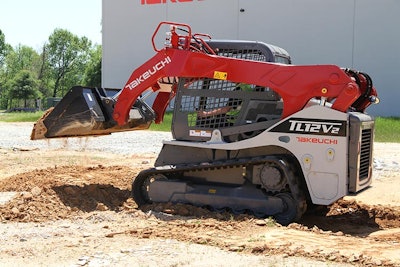
Jeffery Ratliff, Director of Sales & Marketing, and Jeff Stewart, President, Takeuchi
Scott Young, Head of Region North America, Volvo CE
Keep reading to see where Jeffery Ratliff, Director of Sales & Marketing, and Jeff Stewart, President, Takeuchi, are placing their bets.
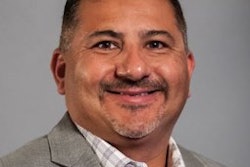
 Jeffrey Ratliff, Director of Sales & Marketing, TakeuchiTakeuchi
Jeffrey Ratliff: We expect to see strong growth for Takeuchi’s compact equipment continue in the southern part of the U.S. Some of this growth will be driven by large infrastructure projects that we expect to see continue throughout the next year. We are also seeing strong results out of the commercial and residential construction segments. Data center and energy infrastructure to support these facilities have become a key part of that growth.
EW: How are customer requests and feedback shaping the types of equipment or attachments you plan to release next year?
Jeffrey Ratliff: As a part of our new product development at Takeuchi, we are constantly gathering customer input that helps us determine what machines have the greatest potential to help them solve their challenges or make their jobs easier. Today, we have prototype machines out with customers so they can use them on their jobsites and provide feedback, both on what they like and what we could improve. All this feedback helps us prioritize our efforts to deliver the most value to our customers.
 Jeff Stewart, President, TakeuchiTakeuchi
Jeff Stewart: We are currently using AI in the US and Japan on warranty claims and product support related initiatives. We see all these areas as potential innovation for Takeuchi to explore and exploit in future products to make everyday use of our products easier and faster to adopt.
EW: How do tariffs, infrastructure funding and broader political factors factor into your strategic planning for 2026?
Jeff Stewart: These are key considerations in our planning process, and we evaluate their potential impact on our business every day.
EW: Do you expect supply chain constraints for components, steel or electronics to ease, worsen or remain steady?
Jeff Stewart: Current indicators suggest that supply chain conditions will remain relatively steady through the foreseeable future.
EW: What’s your outlook on hiring and retaining skilled manufacturing talent in the year ahead?
Jeff Stewart: Our hiring outlook is the strongest it’s been in some time. Recent changes in the local job market have made it easier to attract and retain skilled talent at our production facilities.
EW: How are you working with your dealer network to ensure availability, service and customer support?
Jeffrey Ratliff: We know that aftersales support is one of the most important topics customers consider when making their purchasing decisions, so collaborating with our dealer network is always a focus for our team. We also continue to expand our parts availability to ensure we have the right parts on hand to keep customer machines up and running. We are also expanding our service training program to include some new courses and constantly enhancing our current courses to ensure we provide dealer technicians with the training they need to quickly get machines back out on the job site.
EW: How are evolving emissions regulations and customer sustainability goals influencing your product development?
Jeff Stewart: As a publicly traded company, we continually evaluate evolving sustainability standards and customer expectations. These priorities are driving ongoing innovation in our products as we work toward new performance and emissions goals.
EW: Where do you see the biggest competitive pressure coming from—established OEMs, new entrants or technology companies?
Jeffrey Ratliff: Production capacity has caught up with industry demand, and competitive pressures have changed over the past few months as product has become more readily available. This situation changes almost daily as we see policy changes that impact product cost. New entrants to the market have created some buzz, but the established OEMs continue to carry most of the business.
EW: Looking beyond the next year, what’s your outlook for the global equipment market over the next 3–5 years?
Jeff Stewart: Speaking to the compact construction segment, we are cautiously optimistic about future sustained growth in our markets. We see good things ahead.