











As construction equipment executives begin 2026, they are navigating a landscape shaped by persistent economic pressures and targeted pockets of strength.
Tariffs, high interest rates and inflation may cause contractors to delay big purchases and increase equipment rentals to reduce near-term risk. At the same time, the data center and energy infrastructure demand tied to the AI boom is fueling growth in many regions throughout the country.
For this series of Q&As, Equipment World tapped more than a dozen construction industry leaders to find out what trends are shaping their strategy in 2026, how they plan to invest in their manufacturing and dealer operations and how the current political climate is impacting their product roadmap – from regulatory changes to supply chain constraints.
This year’s participants include:
Paul Manger, Executive Director of Product Marketing, Kubota
Illmars Nartish, Vice President, Manitou North America
Jeffery Ratliff, Director of Sales & Marketing, and Jeff Stewart, President, Takeuchi
Scott Young, Head of Region North America, Volvo CE
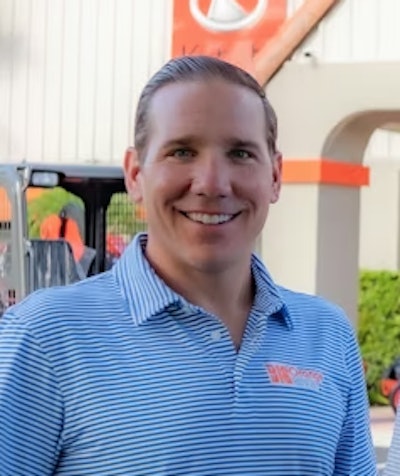
Keep reading to see how Todd Bachman, CEO of Florida Kubota dealer Florida Coast Equipment, feels about the 2026 market.
Equipment World: Do you anticipate equipment availability and lead times improving, holding steady, or tightening in the year ahead?
Overall inventory availability has improved and continues to trend in the right direction. However, we’ve seen some softening since the tariff announcement. My assumption is that manufacturers are holding back production until there’s more clarity on how these tariffs will play out
EW: What types of machines or attachments do you expect contractors will be most interested in purchasing or renting in 2026?
Looking ahead to 2026, I expect demand to center around equipment tied to infrastructure. Housing remains soft, we all see it, but the broader market has held steady largely because of the surge in infrastructure spending.
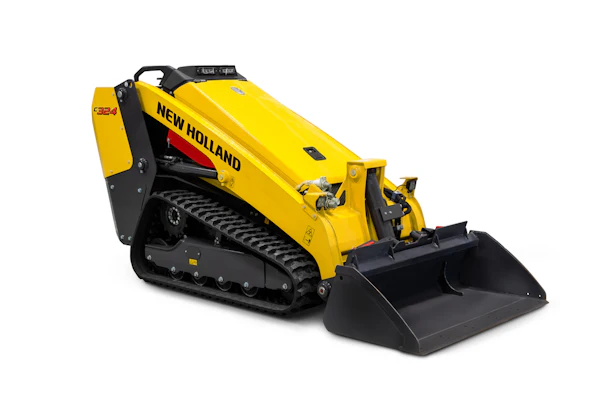
That means we’ll likely see stronger demand for skid steers, track loaders, cold planers and brooms.
EW: How do you see demand and pricing for used equipment shaping up in 2026 compared to new machines?
Used equipment prices should remain flat through 2026. There’s no clear driver for a sharp increase or decrease in demand. Given current market conditions, a stable used-equipment environment seems like a fair expectation.
EW: How are interest rates and financing options influencing your customers’ buying decisions right now?
The single biggest factor impacting all of us: manufacturers, dealers, and customers is interest rates. If the Federal Reserve maintains its current path of gradual cuts, 2026 could shape up to be a strong year.
Political shifts and tariff uncertainty remain a concern. Markets thrive on consistency, and sudden swings, whether political or trade-related, create unease and hesitation among customers.
EW: Do you expect parts and service sales to outpace new equipment sales in the coming year?
It would be reasonable to expect parts and service to outpace new-equipment sales in the coming year, as customers hold onto machines longer. Traditionally, that trend translates to increased maintenance and parts demand. However, with residential construction slowing, some machines may simply sit idle which could temper aftermarket growth.
EW: Are you planning to expand, maintain or scale back your rental fleet, and why?
Our rental fleet remains stable for now. We’re closely monitoring the market and will adjust if conditions shift materially. If demand accelerates, we’re ready to expand; if it softens, we’ll pull back. For now, holding steady feels like the right approach.
EW: What’s your biggest growth opportunity in the year ahead, and what’s the biggest risk you’re watching?
Our greatest opportunity in 2026 lies in focusing internally: getting leaner, taking care of our best people, and outworking the competition.
We can’t control tariffs, interest rates, or politics. What we can control is how efficiently we operate, how we lead our teams, and how we serve our customers. The biggest risk would be losing focus on those things while worrying about what’s beyond our control.