












As construction equipment executives look ahead to 2026, they are navigating a landscape shaped by persistent economic pressures and targeted pockets of strength.
Tariffs, high interest rates and inflation may cause contractors to delay big purchases and increase equipment rentals to reduce near-term risk. At the same time, the data center and energy infrastructure demand tied to the AI boom is fueling growth in many regions throughout the country.
For this series of Q&As, Equipment World tapped more than a dozen construction industry leaders to find out what trends are shaping their strategy in 2026, how they plan to invest in their manufacturing and dealer operations and how the current political climate is impacting their product roadmap – from regulatory changes to supply chain constraints.
This year’s participants include:
Kyle Fuglesten, Vice President of Construction, Hitachi
Paul Barlow, President, Huddig
Mike Ross, Senior Vice President, HD Hyundai Construction Equipment
Paul Manger, Executive Director of Product Marketing, Kubota
Illmars Nartish, Vice President, Manitou North America
Jeffery Ratliff, Director of Sales & Marketing, and Jeff Stewart, President, Takeuchi
Scott Young, Head of Region North America, Volvo CE
Brad Williams, Construction Operations Senior Vice President, Granite Construction
Skip Owen, Director of Sales, Hills Machinery
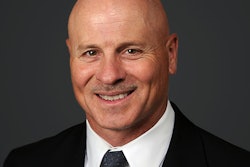
Keep reading to see how Skip Owen, director of sales at Case Construction and Hitachi dealer Hills Machinery, feels about the 2026 market.
Equipment World: Do you expect parts and service sales to outpace new equipment sales in the coming year?
We hope to see our Product Support sales revenue grow next year at a comparable level to new machine sales. Our Service Team has made significant efficiency gains over the past year which has helped to boost capacity. Technicians are the lifeblood of our business and every effort is made to recruit the best and retain them.
Continuous improvements in quality of work, customer communication plus ongoing organic growth from our expanding Uptime Operations contracts should make 2026 an outstanding year for us.
EW: How do you see demand and pricing for used equipment shaping up in 2026 compared to new machines?
We’re expecting additional growth opportunities in used equipment sales next year. Persistent tariff-related increases in new machine prices leave many customers searching for alternatives such as rental or late model used machines at a lower price point.
The availability of good maintenance records and extended warranty coverages makes this choice a viable path. The market seems to be at a delicate equilibrium with opposing forces of demand and surplus inventories, but volatility will most likely continue.
EW: How are interest rates and financing options influencing your customers’ buying decisions right now?
We’re operating in a fairly stable money price environment with interest rates gradually falling since the recent high-water mark of July 2023. Manufacturer subsidized low rates remain prevalent and continue to drive customer purchase decisions. Leasing has also remained popular despite diminished tax benefits due to typically lower payments as machine prices have increased and an option to “walk away” at lease maturity. With a lease, contractors can match costs to longer term projects and better predict cash flow.
Our dealership has a growing Finance & Insurance Department (F&I) that contributes to transaction profitability by optimizing available lender / lessor resources and offering other financial service products such as physical damage insurance. This F&I initiative is another example of how we seek to be a “full service” house, assisting with all aspects of our customer’s equipment needs.
EW: Are you planning to expand, maintain or scale back your rental fleet, and why?
HMC is generally optimistic in this sector, planning for net growth in our dealer-owned rental fleet (DORF) and a corresponding 5-10% increase in revenue. A primary driver is that customer rental demand remains strong as many contractors are procrastinating longer term commitments in the face of uncertainty. Rental rates have remained relatively sane. DORF endures as a key component of our overall revenue stream in an increasingly competitive environment and helps counter wholegoods profitability headwinds due to heavy channel inventory positions.
Like many Dealerships, we continue to offer rental purchase option contracts (RPO) where it makes sense and present ripe DORF as new machine alternatives where a lower price point is needed to expand available acquisition options.
EW: What’s your biggest growth opportunity in the year ahead, and what’s the biggest risk you’re watching?
We continue to invest in leveraging our telematics platform to improve customer experiences and strengthen relationships. A cost-effective Uptime Operations Team has been deployed to take traditional machine monitoring to the next level. All new tractor sales now include standard monitoring OR monitoring and maintenance packages for a specified initial term. These value-added services provide us with the perfect opportunity to demonstrate our capabilities and build trust.
The resultant Uptime Operations communications have also dramatically improved the number of our customer touches achieved where we are now calling with valuable information vs. always having our hand out to sell something new. Ask any fleet manager their success rate on completing timely preventative maintenance… many if not most struggle with prioritizing crisis repairs and that monopolize limited resources. We’re solving a very real customer problem here.
As for future risk, tariff and pricing uncertainty makes routine inventory management unusually challenging, but we are still planning on continued overall growth in all aspects of our business.