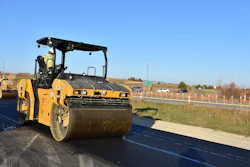












A new collaboration between the city of Ann Arbor and Michigan Technological University has paved two city streets with a recycled-tire asphalt mixture.
The rubberized asphalt mixture is expected to extend the life of the roads by 30% or more.
Additional expected benefits from the rubberized asphalt roads, according to the city, include:
- Less road noise
- Improved wet weather traction, leading to fewer accidents
- Improved vehicle fuel economy from smoother surfaces
- Reduced generation of tire microplastics
- Cost savings in reduced future road maintenance
- Ability to re-use the rubberized pavement in new material when these roads need to be repaved
Teams will compare the performance of the rubberized roads' resurfacing to conventional asphalt results, using data collected from both the jobsites and asphalt plants.
The two corridors, West Oakbrook from Main to Sumark and Northbrook Place from Eisenhower to West Oakbrook, have been paved by Cadillac Asphalt, and more rubberized paving is planned for later this year. In total, around 9,300 tons of asphalt mixtures will be placed by the end of the trial, including 3,730 tons of the specialized rubber tire asphalt mixture representing approximately 2,000 recycled passenger tires.
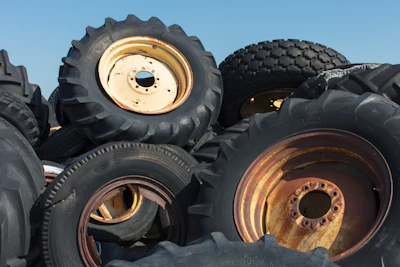
Ann Arbor residents generate over 70,000 scrap tires per year, according to the city, nearly half of which are burned in cement kilns or end up in landfills.
Funding for the trial, which is led by Ann Arbor, came from a grant through the Michigan Department of Environment, Great Lajes, and Energy through the Scrap Tire Market Development Program.